

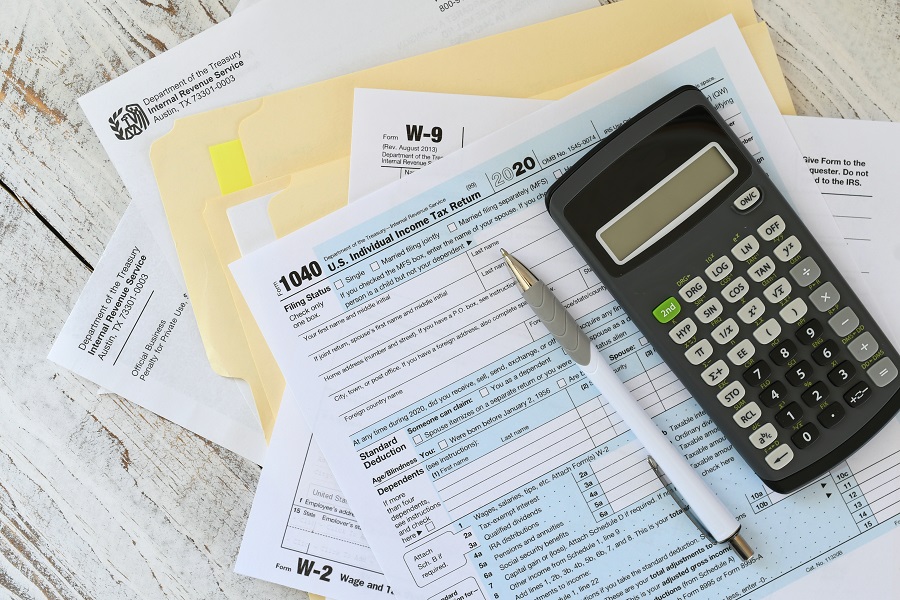
Tax season can be much easier when rental property owners maintain organized financial records throughout the year. Good recordkeeping helps you understand your property's performance, support reported income and expenses, and prepare for conversations with your tax professional.
Here are five types of records every landlord should maintain.
1. Rental Income Records
Keep a record of rent received, applicable fees, and other rental-related income. Reconcile your records with bank statements and property management reports to help identify discrepancies.
2. Expense Receipts and Invoices
Maintain documentation for property-related expenses, including:
Repairs and maintenance
Property management fees
Insurance premiums
Property taxes
Utilities paid by the owner
Advertising and leasing costs
Keep invoices and receipts that explain the purpose of each expense.
3. Property Purchase and Improvement Records
Retain closing statements, purchase documents, and records of significant improvements.
Certain improvements may need to be treated differently from ordinary repairs for tax purposes. Your tax professional can help determine the appropriate treatment.
4. Mortgage and Insurance Statements
Keep annual mortgage interest statements, insurance records, and relevant financing documents. These records can help your tax preparer evaluate which amounts may be deductible.
Remember that mortgage principal is generally treated differently from mortgage interest.
5. Property Management and Financial Statements
If you work with a property manager, retain monthly owner statements, year-end summaries, invoices, and other supporting documentation.
Organized reports can reduce the time needed to gather information and help you review your investment's financial performance.
Final Thoughts
Keeping rental property records organized throughout the year can make tax preparation less stressful and improve your understanding of your investment.
Maintain records securely, follow applicable retention requirements, and consult a qualified tax professional about deductions, depreciation, and reporting obligations specific to your situation.
Ready to Maximize Your Rental Property's Potential?
Ivy Property Management helps rental property owners stay organized through professional leasing, rent collection, maintenance coordination, property inspections, and financial reporting.
Contact Ivy Property Management today to schedule your complimentary property management consultation and learn how professional management can simplify your rental property ownership.
Ivy Property Management
Protecting Your Investment. Maximizing Your Returns