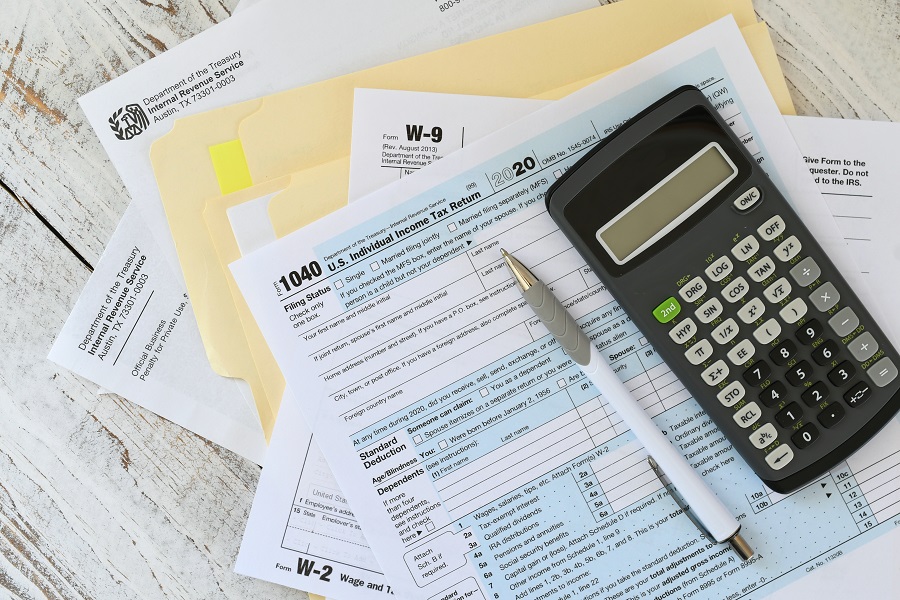
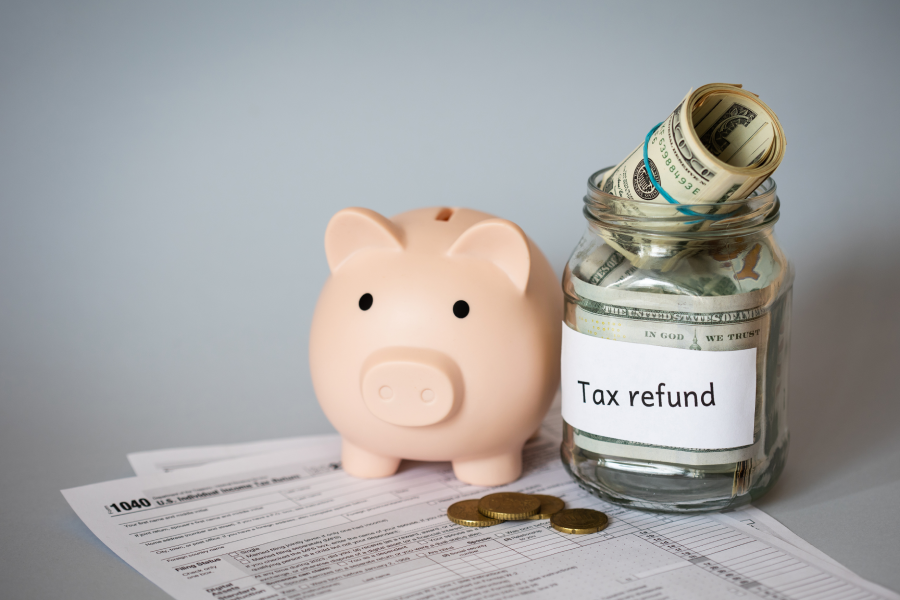
Tax season can be much easier when rental property owners maintain organized financial records throughout the year. Good recordkeeping helps you understand your property's performance, support reported income and expenses, and prepare for conversations with your tax professio...
Read More
Rental Property Inspections: What Landlords Should Check and Why They Matter
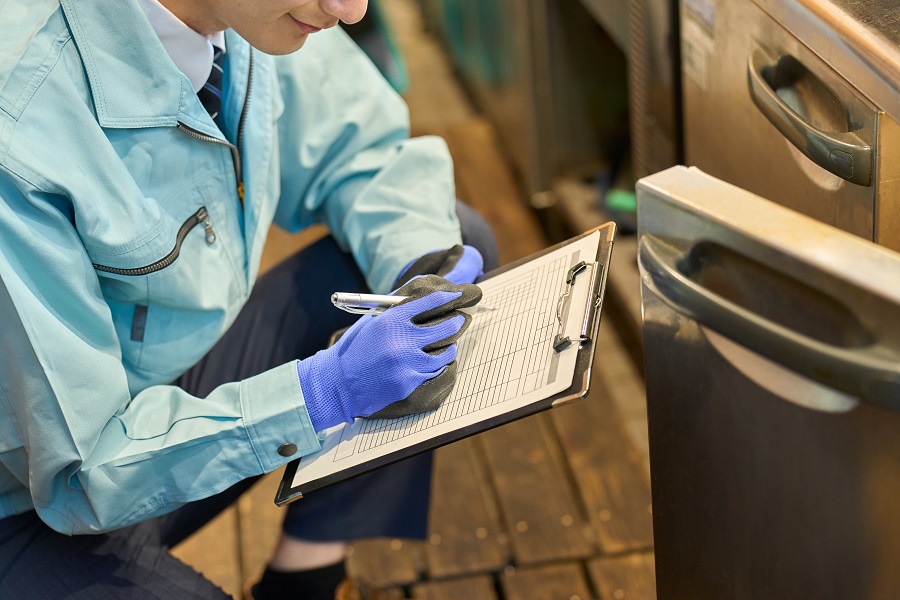
Regular rental property inspections help owners monitor property condition, identify potential problems, and plan for future expenses. They also provide an opportunity to confirm that the property is being maintained appropriately.When conducted professionally and in accordance w...
Read More
How to Reduce Tenant Turnover in Your Rental Property
Frequent tenant turnover can be expensive for rental property owners. Vacancies, cleaning, advertising, repairs, and leasing costs can reduce rental income and make investment planning more difficult.While not every tenant will renew, a few practical strategies can help encourage...
Read More
How to Manage a Rental Property When You Live Out of State
Owning rental property can create opportunities to build long-term wealth, even when you live far away. However, managing a property from another state requires planning, reliable local support, and consistent oversight.Here are five ways to make remote property ownership easier....
Read More
Buying a rental property can be a great way to build long-term wealth, but not every property is a good investment. Before making an offer, investors should evaluate the property's income potential, expenses, condition, and rental demand.1. Research the Local Rental MarketSta...
Read More
What Should Landlords Review in Their Monthly Property Management Statement?
Owning a rental property is about more than collecting rent. Owners should also understand where their property's money is going.A monthly property management statement can provide a useful snapshot of a property's financial activity—but only if you know what to loo...
Read More
How to Build a Maintenance Reserve for Your Rental Property
Unexpected repairs are part of owning a rental property. A broken appliance, plumbing issue, or major system repair can quickly turn into a significant expense.One way owners can prepare is by maintaining a dedicated maintenance reserve.What Is a Maintenance Reserve?A maintenance...
Read More
What Landlords Should Know About Rental Property Insurance
Owning a rental property comes with financial responsibilities beyond the mortgage, taxes, and maintenance. One of the most important is making sure the property has appropriate insurance coverage.Landlord insurance is designed with rental properties in mind and can provide prote...
Read More
Finding a great tenant is valuable—but keeping that tenant can be even better.Every vacancy can create additional costs, including advertising, cleaning, repairs, turnover, and lost rental income. A thoughtful lease-renewal strategy can help rental property owners reduce un...
Read More
Security Deposits: What Rental Property Owners and Tenants Need to Know
Security deposits are one of the most common sources of questions between landlords and tenants.How much can a landlord charge? Where is the deposit held? What can it be used for? When should it be returned?The answers can vary depending on where the rental property is located, w...
Read More