
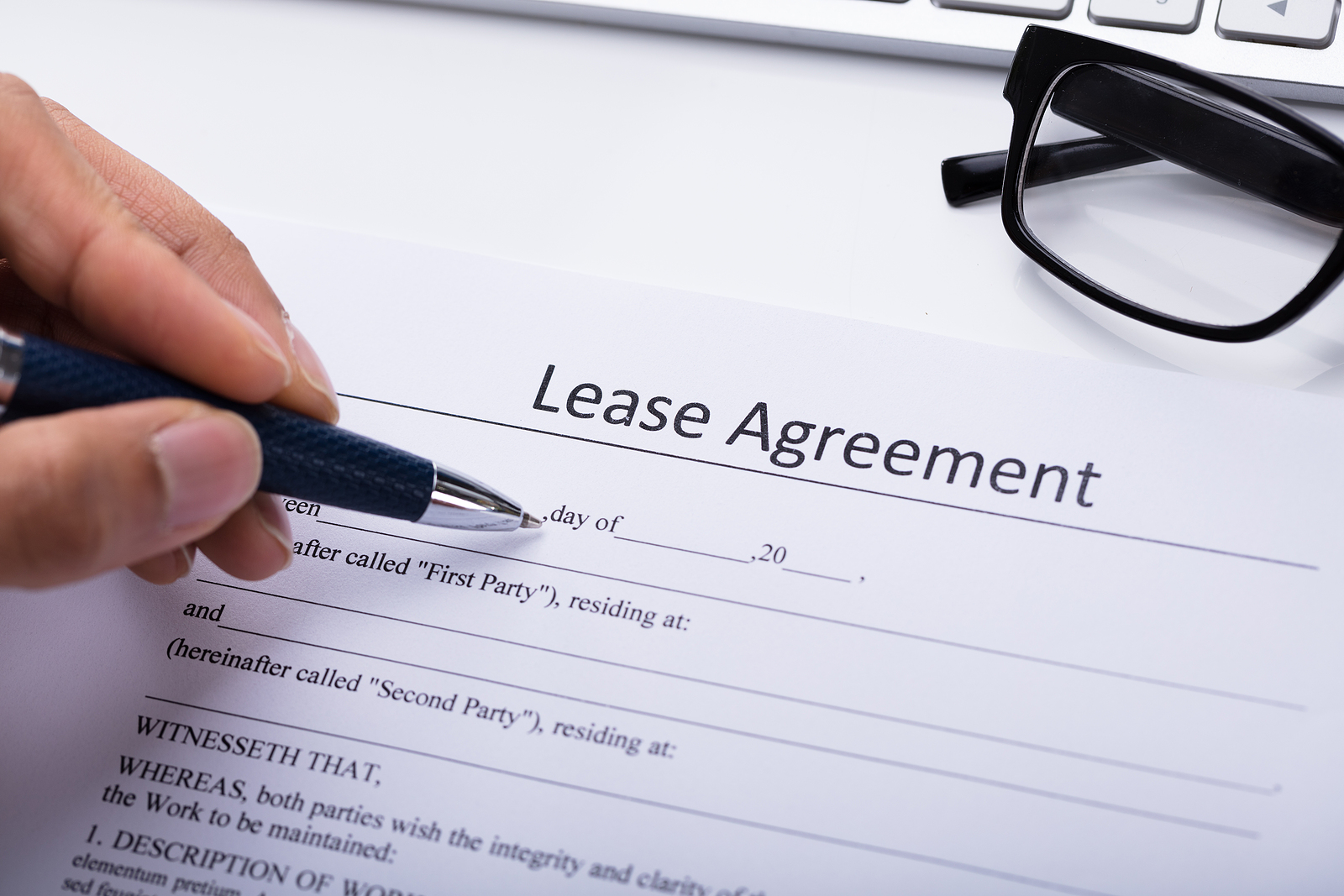
A well-structured lease agreement is one of the most important tools for protecting your rental property. It establishes clear expectations, outlines responsibilities, and helps reduce disputes.
This guide explains the key lease clauses every rental property owner should understand and why they matter.
Why the Lease Agreement Is So Important
A lease is more than a formality — it is a legally binding contract.
A properly written lease helps:
Protect owner rights
Clarify tenant obligations
Define financial terms
Reduce misunderstandings
Support legal enforcement if necessary
Clear documentation creates stability and accountability.
1. Rent Terms and Payment Details
The lease should clearly outline:
Monthly rent amount
Due date
Accepted payment methods
Late fees and grace periods
Consequences for nonpayment
Specific language reduces confusion and strengthens enforceability.
2. Security Deposit Provisions
Security deposit clauses should address:
Deposit amount collected
Conditions for deductions
Timeline for return
Property condition expectations
Clear documentation protects both parties at move-out.
3. Maintenance Responsibilities
A lease should define who is responsible for:
Routine maintenance
Emergency repairs
Lawn care or snow removal (if applicable)
Reporting maintenance issues
Clarity prevents delays and disputes.
4. Occupancy Limits
The lease should specify:
Approved occupants
Guest policies
Unauthorized occupants
This protects the property from overcrowding and liability risks.
5. Property Use Restrictions
Usage clauses may address:
Business use restrictions
Noise policies
Smoking rules
Pet policies
Clear rules help maintain property condition and community standards.
6. Lease Term and Renewal Terms
The lease should clearly state:
Start and end dates
Renewal procedures
Rent increase policies
Notice requirements
Defined timelines create predictability for both owner and tenant.
7. Entry and Inspection Rights
The agreement should outline:
Proper notice requirements
Reasons for entry
Emergency access provisions
This ensures compliance with local laws and protects tenant privacy.
8. Default and Termination Clauses
The lease must explain:
What constitutes default
Cure periods (if applicable)
Termination rights
Legal remedies
These provisions protect the owner if issues arise.
Why Generic Leases Can Be Risky
Using outdated or non-compliant lease templates can expose owners to legal risk. Laws change, and lease agreements must reflect current regulations and best practices.
Professional oversight helps ensure compliance and clarity.
How Ivy Property Management Handles Lease Agreements
At Ivy Property Management, we use professionally structured lease agreements designed to protect owner interests while ensuring compliance with applicable laws. Our leasing process emphasizes clarity, documentation, and risk reduction.
Want a Stronger Lease Process for Your Rental Property?
If you want professional leasing support and properly structured agreements, Ivy Property Management can help.
Contact us today to learn more about our leasing and management services.