

Disagreements over property condition are one of the most common issues between landlords and tenants, especially at move-out. The confusion usually centers on one key question: What counts as normal wear and tear versus damage?
This guide provides a clear explanation of normal wear and tear, helping both owners and tenants understand responsibilities and avoid disputes.
What Is Normal Wear and Tear?
Normal wear and tear refers to the expected, gradual deterioration of a property that occurs through everyday use—despite reasonable care by the tenant. It is not caused by negligence, abuse, or misuse.
Landlords generally cannot charge tenants for normal wear and tear.
Examples of Normal Wear and Tear
Common examples include:
Light scuff marks on walls
Minor nail holes from hanging pictures
Faded paint or flooring
Worn carpet in high-traffic areas
Loose door handles from regular use
These issues are considered part of routine aging.
What Is Considered Damage?
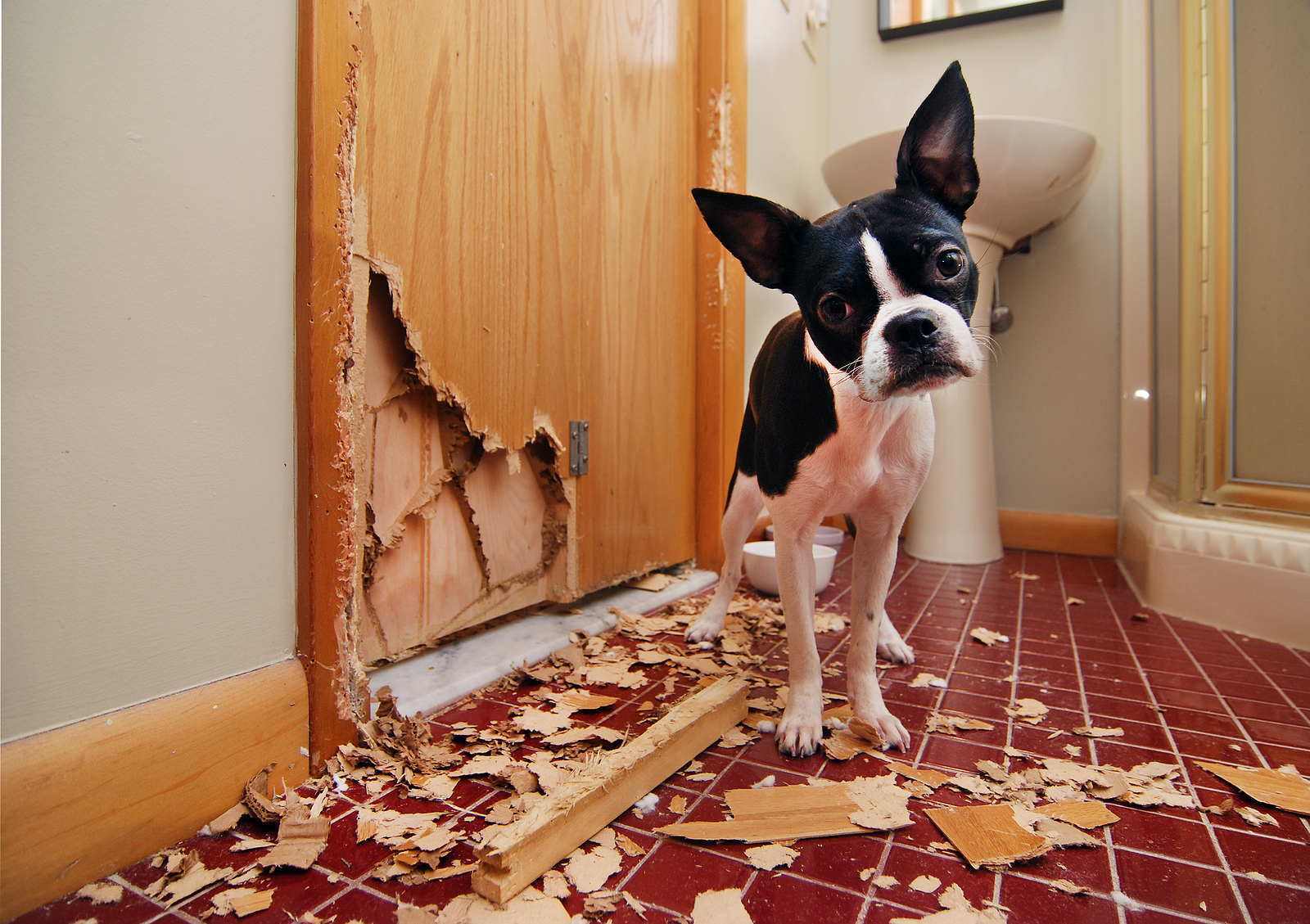
Damage goes beyond ordinary use and often results from neglect or misuse.
Examples may include:
Large holes in walls
Broken windows or doors
Burn marks or heavy stains
Pet damage
Missing fixtures or appliances
Damage is typically chargeable to the tenant.
Why the Distinction Matters
Understanding the difference affects:
Security deposit deductions
Move-out expectations
Lease compliance
Clear definitions help prevent disputes and support fair outcomes.
How Move-In and Move-Out Inspections Help
Inspections provide documentation.
Best practices include:
Detailed move-in condition reports
Photos or videos at move-in and move-out
Written notes on existing wear
Documentation protects both parties.
Tenant Responsibilities
Tenants are generally responsible for:
Reporting maintenance issues promptly
Preventing avoidable damage
Returning the property in similar condition (minus normal wear)
Routine care helps avoid charges.
Owner Responsibilities
Owners are responsible for:
Accounting for normal aging
Performing routine maintenance
Making fair and lawful deposit deductions
Proper evaluation ensures compliance and fairness.
How to Avoid Disputes Over Wear and Tear
Disputes can often be avoided through:
Clear lease language
Consistent inspection procedures
Open communication
Education and documentation make the process smoother.
How Ivy Property Management Handles Wear and Tear Fairly
At Ivy Property Management, we use documented inspections and clear standards to fairly assess property condition. Our process is designed to protect owner investments while treating tenants respectfully.
Questions About Move-Out Charges or Deposits?
If you rent or own a property managed by Ivy Property Management and have questions about wear and tear or move-out expectations, our team is here to help.
Contact us today for guidance or support.