
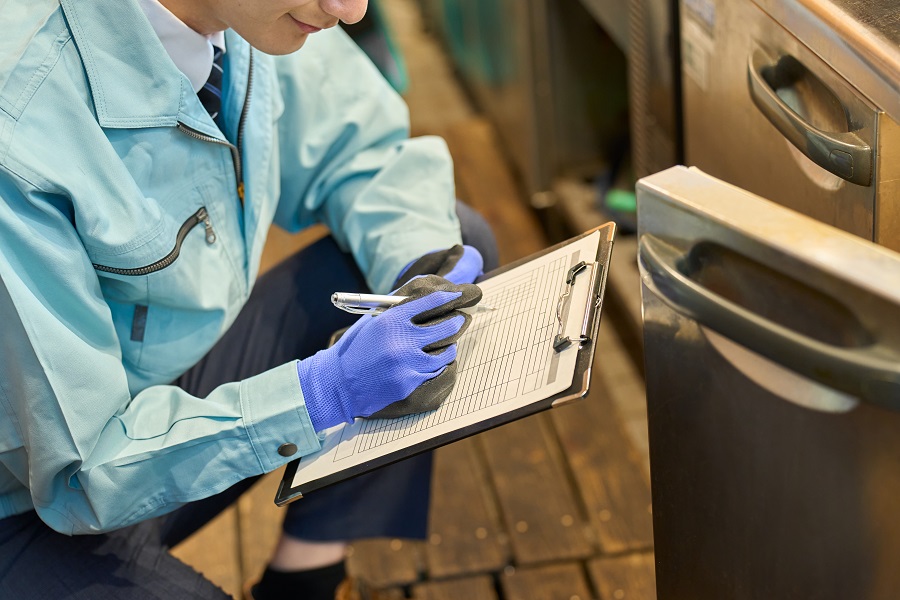
Regular rental property inspections help owners monitor property condition, identify potential problems, and plan for future expenses. They also provide an opportunity to confirm that the property is being maintained appropriately.
When conducted professionally and in accordance with applicable laws, inspections can help protect both the investment and the tenant's living environment.
1. Check the Property's Overall Condition
Review the condition of walls, floors, windows, doors, and other visible features. Look for signs of damage, moisture, leaks, or other concerns that may require attention.
Document findings with written notes and photographs when appropriate.
2. Review Major Systems
Pay attention to visible indicators of problems with plumbing, heating and cooling, electrical components, and other major systems.
Inspections do not replace professional evaluations or specialized testing, but they can help identify issues that need further investigation.
3. Look for Water Damage and Leaks
Water intrusion can lead to expensive repairs if left unaddressed.
Check for visible moisture, water stains, dripping fixtures, and other signs of possible leaks. Arrange appropriate follow-up when concerns are identified.
4. Confirm Safety Features
Review applicable safety requirements for smoke alarms, carbon monoxide alarms where required, handrails, exits, and other relevant features.
Requirements vary by jurisdiction, so owners should verify which standards apply to their property.
5. Respect Tenant Rights
Inspections must be handled professionally and in compliance with the lease and local law.
Provide required notice, follow applicable entry rules, and coordinate a reasonable time with the tenant when required. An inspection is not permission to enter whenever the owner chooses.
6. Keep Records and Follow Up
An inspection is only useful if identified concerns are addressed.
Maintain records of findings, photographs, repair requests, completed work, and follow-up actions. This documentation can help owners track property condition and plan future maintenance.
Final Thoughts
Rental property inspections are an important part of responsible ownership. Consistent documentation and timely follow-up can help identify concerns early, support property upkeep, and provide greater visibility into your investment.
Ready to Maximize Your Rental Property's Potential?
Ivy Property Management helps rental property owners with professional leasing, tenant screening, rent collection, maintenance coordination, property inspections, financial reporting, and personalized support.
Contact Ivy Property Management today to schedule your complimentary property management consultation and learn how professional management can help protect your investment.
Ivy Property Management
Protecting Your Investment. Maximizing Your Returns.