

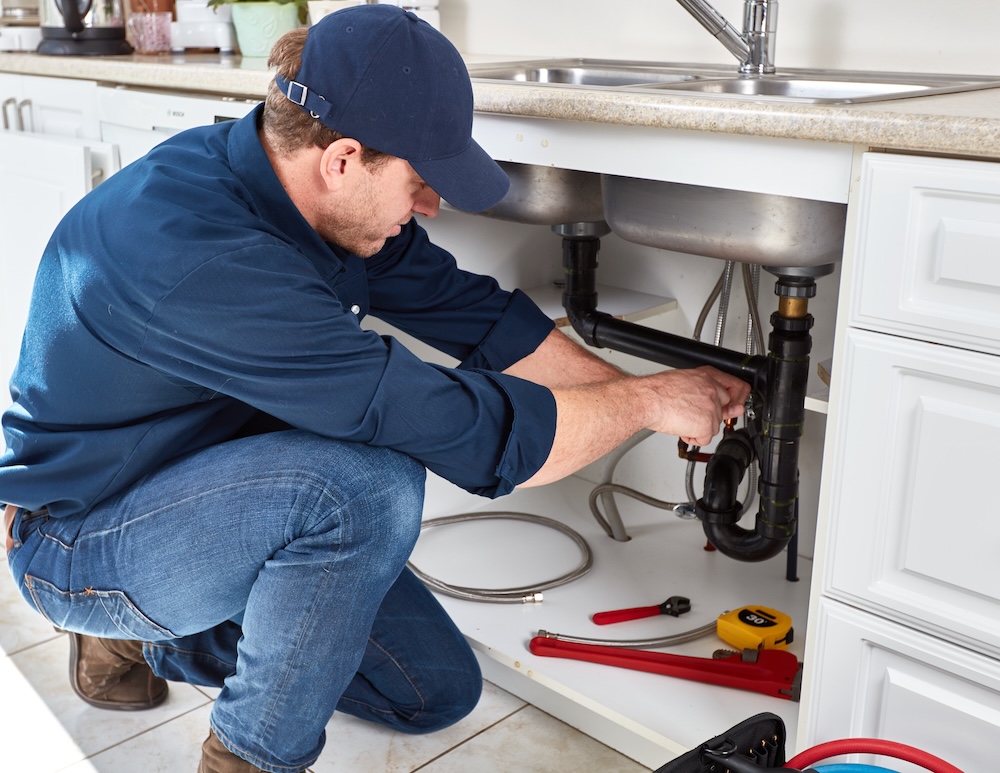
Routine property inspections are one of the most valuable tools a rental property owner has. They help identify maintenance concerns early, protect the condition of the home, and ensure small issues don't turn into expensive repairs.
Many owners either inspect too often, making tenants feel uncomfortable, or not often enough, allowing problems to go unnoticed. Finding the right balance is key to protecting your investment while respecting your tenant's privacy.
Here are some of the most common types of rental property inspections and why they matter.
Move-In Inspections
A move-in inspection establishes the condition of the property before a tenant takes possession.
During this inspection, document:
- Walls, flooring, and ceilings
- Appliances
- Doors and windows
- Plumbing fixtures
- Lighting and electrical fixtures
- Existing wear or damage
Taking photos and keeping detailed notes creates a clear record that can be referenced at the end of the lease.
Routine Property Inspections
Routine inspections allow property owners to identify maintenance concerns before they become costly repairs.
These inspections may reveal:
- Water leaks
- HVAC performance issues
- Plumbing concerns
- Safety hazards
- Signs of deferred maintenance
They also provide an opportunity to ensure the property is being properly maintained.
Always provide proper notice as required by your lease and applicable laws before entering the property.
Seasonal Inspections
Different seasons bring different maintenance needs.
Seasonal inspections may include:
- Checking gutters and downspouts
- Inspecting exterior drainage
- Testing heating and cooling systems
- Looking for roof damage after storms
- Inspecting weather seals around doors and windows
Addressing seasonal maintenance helps prevent avoidable repairs throughout the year.
Drive-By Exterior Inspections
Not every inspection requires entering the property.
A periodic exterior review can help identify issues such as:
- Overgrown landscaping
- Exterior damage
- Gutter concerns
- Roof issues visible from the ground
- General curb appeal
These quick observations can help owners identify maintenance needs early.
Move-Out Inspections
When a tenant vacates, a move-out inspection documents the property's condition and identifies any necessary repairs before preparing it for the next resident.
This inspection typically includes:
- Comparing the property's condition to the move-in documentation
- Identifying normal wear versus damage
- Planning turnover repairs
- Preparing the property for marketing
A thorough move-out inspection helps streamline the turnover process.
Why Documentation Is So Important
An inspection is only as valuable as its documentation.
Maintain records that include:
- Inspection dates
- Photos
- Written observations
- Maintenance recommendations
- Completed repairs
Good documentation creates a clear maintenance history and supports better long-term property management.
Inspections Help You Plan Instead of React
Routine inspections aren't about looking for problems—they're about preventing them.
Regular oversight helps property owners:
- Catch repairs early
- Budget for future maintenance
- Extend the life of major systems
- Protect the property's value
Proactive inspections almost always cost less than reactive repairs.
Protect Your Investment with Regular Property Oversight
Consistent inspections are one of the simplest ways to preserve the condition and value of your rental property. When combined with preventative maintenance and organized recordkeeping, they create a strong foundation for long-term success.
Ivy Property Management conducts regular property oversight to help owners stay ahead of maintenance issues, protect their investments, and provide a well-maintained home for residents.
If you're looking for a more proactive approach to managing your rental property, connect with our team today to learn how we can help.