
Rental property inspections are a routine part of property management, yet they are often misunderstood. Inspections help protect the property, ensure lease compliance, and address maintenance issues before they become costly problems.
This guide explains why inspections occur, what happens during them, and what both owners and tenants should expect.
What Is a Rental Property Inspection?
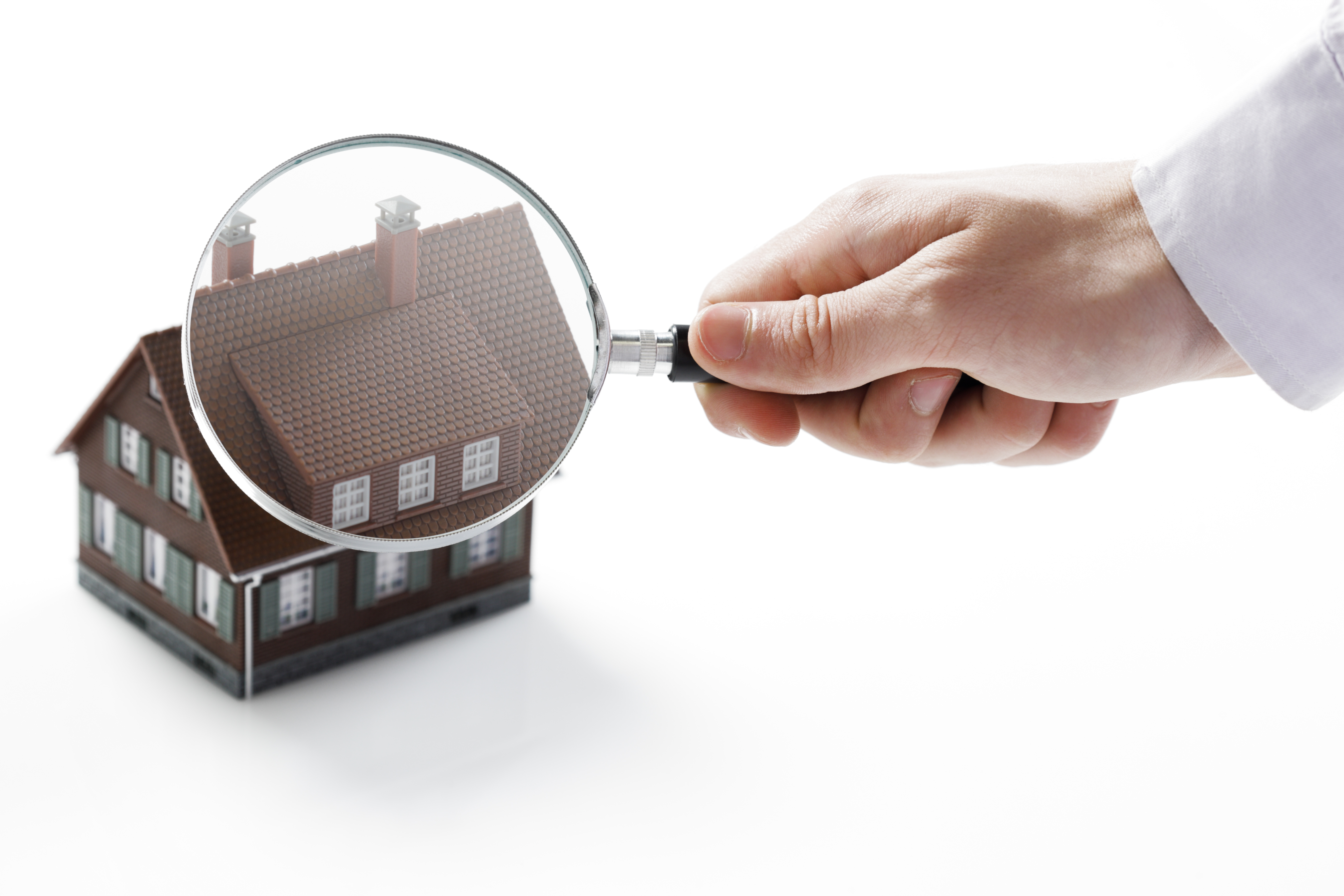
A rental property inspection is a scheduled visit to assess the condition of the property. Inspections are not meant to disrupt tenants but to ensure the home is being properly maintained and remains safe and habitable.
Inspections may occur:
At move-in
During the lease term
At move-out
1. Move-In Inspections
Move-in inspections document the condition of the property at the start of tenancy.
They typically include:
Photos and written documentation
Appliance and system checks
Notes on existing wear or damage
This protects both the tenant and the owner by establishing a clear baseline condition.
2. Routine or Mid-Lease Inspections
Routine inspections help identify issues early.
Common goals include:
Detecting maintenance concerns
Ensuring lease compliance
Identifying safety hazards
These inspections are usually scheduled with advance notice, as required by law.
3. Move-Out Inspections
Move-out inspections assess the condition of the property after a tenant vacates.
They help determine:
Normal wear and tear
Damage beyond normal use
Cleaning or repair needs
Move-out inspections support fair and accurate security deposit accounting.
4. What Inspectors Look For
During inspections, management may check:
Walls, floors, and ceilings
Appliances and fixtures
Plumbing and electrical systems
Signs of leaks or water damage
Smoke detectors and safety features
The focus is on condition—not personal belongings.
5. Tenant Responsibilities During Inspections
Tenants are generally responsible for:
Allowing access with proper notice
Securing pets
Reporting known issues
Tenants are not expected to deep clean for routine inspections, but general cleanliness is encouraged.
6. Owner Benefits of Regular Inspections
For owners, inspections help:
Prevent costly repairs
Protect long-term property value
Reduce liability risks
Support proactive maintenance planning
Well-documented inspections provide valuable records.
7. Legal and Notice Requirements
Inspection laws vary by location.
Most jurisdictions require:
Advance written notice
Reasonable inspection hours
Respect for tenant privacy
Professional management ensures inspections are conducted legally and respectfully.
Why Inspections Matter
Regular inspections promote transparency, accountability, and proper maintenance. When handled correctly, they benefit both tenants and owners by preventing surprises and maintaining property standards.
How Ivy Property Management Conducts Property Inspections
At Ivy Property Management, inspections are scheduled, documented, and conducted with professionalism and respect. Our process is designed to protect the property while maintaining positive tenant relationships.
Have Questions About an Upcoming Inspection?
If you rent or own a property managed by Ivy Property Management and have questions about inspections or scheduling, our team is here to help.
Contact us today for more information or guidance.