

Life changes can create unexpected real estate opportunities.
Maybe you're moving to another state and aren't ready to sell your current home. Perhaps you've inherited a property. Maybe you've purchased a new home and are wondering whether your existing property could become a rental.
Whatever the reason, turning a home into a rental property can create an opportunity to generate ongoing income and potentially build long-term wealth.
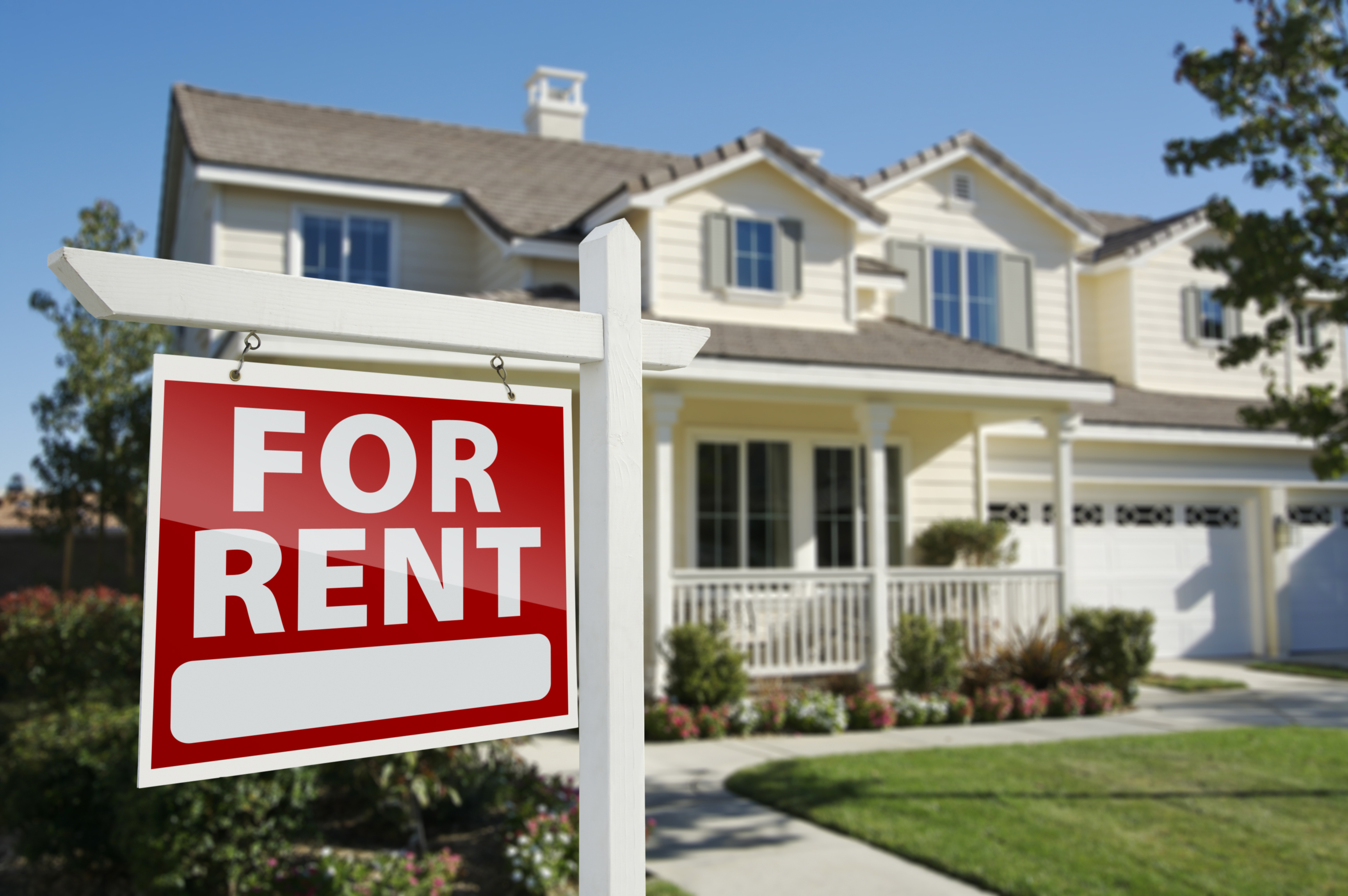
But becoming a landlord is more than putting a "For Rent" sign in the yard.
Before you make the decision, there are several important things to consider.
Start With the Numbers
The first question shouldn't be, "How much can I rent my home for?"
It should be:
"Will this property make financial sense as a rental?"
Start by estimating the property's potential rental income and comparing it with your ongoing expenses.
Consider:
- Mortgage payments
- Property taxes
- Homeowners or landlord insurance
- HOA or condominium fees
- Property management
- Maintenance and repairs
- Utilities you may remain responsible for
- Landscaping
- Vacancy
- Leasing expenses
- Long-term capital improvements
Don't assume that the difference between rent and your mortgage payment is your profit.
Rental properties have operating expenses that homeowners don't always consider.
A professional rental analysis can help you get a more realistic picture of the property's potential.
Determine What Your Home Could Rent For
Your home's value as a rental may be very different from its value as a property for sale.
Rental pricing should be based on comparable rental properties and current market demand.
Consider comparable homes based on:
- Location
- Bedrooms and bathrooms
- Square footage
- Condition
- Parking
- Outdoor space
- Appliances
- Laundry
- Amenities
- Updates and renovations
Pricing too high can lead to extended vacancy. Pricing too low can leave potential rental income on the table.
The goal is to establish a competitive rental price that attracts qualified tenants while supporting your investment objectives.
Check Your Mortgage and Insurance Requirements
Before converting your home into a rental, review your mortgage documents and insurance coverage.
Some loans may have occupancy requirements or other provisions that homeowners should understand before changing the property's use.
Your homeowners insurance may also need to be changed to an appropriate landlord or rental dwelling policy.
Don't assume that the insurance policy you've had while living in the property will provide the same coverage once tenants move in.
Talk with your lender and insurance professional before making the transition.
Understand the Legal Responsibilities of Being a Landlord
Landlords have legal responsibilities that go far beyond collecting rent.
Depending on the property's location, owners may need to comply with requirements involving:
- Housing and anti-discrimination laws
- Security deposits
- Rental licensing or registration
- Property inspections
- Lead-based paint requirements
- Habitability standards
- Lease disclosures
- Notice requirements
- Eviction procedures
- Local housing regulations
These requirements can vary significantly from one jurisdiction to another.
If you're converting a home into a rental, make sure you understand the laws that apply to the property—not simply the laws where you currently live.
Prepare the Property for Tenants
A home that was comfortable for you may need some preparation before it is ready for a renter.
Walk through the property with an objective eye.
Look for:
- Leaking faucets
- Damaged flooring
- Cracked windows
- Broken fixtures
- Peeling paint
- Poor lighting
- Appliance issues
- HVAC concerns
- Plumbing problems
- Exterior maintenance
- Safety concerns
This is also a good time to consider whether certain improvements could make the property more competitive.
However, you don't necessarily need to completely renovate the property.
Focus on improvements that provide meaningful value and support the property's rental strategy.
Decide Whether You Will Furnish the Property
Most traditional long-term rentals are leased unfurnished, but there are situations where a furnished rental may make sense.
Your decision should depend on:
- Location
- Target tenant
- Rental demand
- Expected rental rate
- Property type
- Lease length
- Furnishing costs
- Maintenance and replacement costs
Don't furnish a property simply because you think it will allow you to charge more.
Make sure there is actual demand for the type of rental you're creating.
Think Carefully About Tenant Screening
One of the most important responsibilities of a landlord is selecting a qualified tenant.
A strong screening process can include reviewing:
- Income
- Employment
- Rental history
- Credit history
- Payment history
- Prior evictions, where legally permissible to consider
- References
- Application information
Screening should always be performed consistently and in compliance with applicable fair housing laws.
The objective isn't to find the tenant who looks best on paper.
It's to establish a consistent, lawful process for identifying applicants who meet your rental criteria.
Decide How You Will Handle Maintenance
This is where many first-time landlords realize that owning a rental property is different from owning a home.
When you live in your home and the toilet leaks, you decide when to fix it.
When you're a landlord, a tenant may expect the issue to be addressed promptly—even if it happens at an inconvenient time.
Consider who will handle:
- Emergency maintenance
- Routine repairs
- HVAC service
- Plumbing
- Electrical issues
- Appliance repairs
- Landscaping
- Pest control
- Preventative maintenance
You should also establish a process for receiving and responding to maintenance requests.
Consider Property Management Before You Need It
Many homeowners initially plan to manage their property themselves.
That can work for some owners, particularly if they have the time, knowledge, and systems to do it effectively.
But distance, work schedules, multiple properties, tenant issues, and maintenance emergencies can quickly make self-management more challenging.
Hiring a professional property manager can allow you to remain the owner without becoming responsible for every operational detail.
A property manager can assist with services such as:
- Rental analysis
- Property marketing
- Tenant placement
- Screening
- Lease administration
- Rent collection
- Maintenance coordination
- Property inspections
- Tenant communication
- Financial reporting
You don't have to wait until you have multiple rental properties before considering professional management.
Establish a Separate Financial System
Your rental property should be treated like an investment—not simply an extension of your personal checking account.
Keep accurate records of:
- Rental income
- Maintenance
- Repairs
- Management fees
- Insurance
- Taxes
- Utilities
- Leasing costs
- Other operating expenses
Maintaining organized records can make it easier to understand your property's performance and provide useful information to your tax professional.
Don't Forget About Vacancy
Your property won't necessarily be occupied every day of every year.
When evaluating whether to convert your home into a rental, include a reasonable vacancy assumption in your financial planning.
You should also have funds available for periods when rental income is interrupted.
A tenant moving out can mean more than lost rent. You may also have turnover expenses such as cleaning, repairs, marketing, and leasing.
Planning for these expenses from the beginning can help protect your investment.
Consider Your Long-Term Goals
Before converting your home to a rental, think about what you ultimately want to accomplish.
Are you trying to:
- Generate monthly income?
- Build equity?
- Hold the property for appreciation?
- Create retirement income?
- Build a real estate portfolio?
- Keep the property for your family?
- Eventually purchase additional investment properties?
Your long-term objective should influence how you manage the property today.
A home that starts as a temporary rental could eventually become an important part of your overall investment portfolio.
Becoming a Landlord Doesn't Mean Doing Everything Yourself
One of the biggest misconceptions among new rental property owners is that professional property management is only for large investors.
In reality, professional management can be valuable for homeowners who are renting out their first property.
If you don't live near the property, have a demanding career, don't want to handle tenant calls, or simply prefer to have a professional manage the day-to-day responsibilities, property management can provide valuable support.
At Ivy Property Management, we work with rental property owners throughout the DC, Maryland, and Virginia region, providing services designed to help owners protect their investments while reducing the day-to-day demands of property ownership.
Final Thoughts
Turning your home into a rental property can be an excellent way to create another source of income and potentially build long-term wealth.
But it should be approached as an investment decision—not simply a way to avoid selling your home.
Before making the transition, understand the property's potential rental income, expenses, legal requirements, insurance needs, maintenance responsibilities, and long-term investment potential.
Most importantly, create a plan for how the property will be managed before the first tenant moves in.
The right preparation can turn a former home into a successful rental investment.
Ready to Maximize Your Rental Property's Potential?
Whether you're looking for full-service property management or tenant placement services, Ivy Property Management is here to help you protect your investment and increase your returns.
Our experienced team provides professional leasing, tenant screening, rent collection, maintenance coordination, property inspections, financial reporting, and personalized support designed to help rental property owners succeed.
Contact Ivy Property Management today to schedule your complimentary property management consultation and discover why property owners trust us to manage their investments with professionalism, integrity, and exceptional service.
Ivy Property Management
Protecting Your Investment. Maximizing Your Returns.