
Maintenance issues are a normal part of renting and owning property. When handled properly, maintenance requests protect the property, support tenant satisfaction, and help avoid costly repairs. When handled poorly, they can lead to frustration, delays, and unnecessary damage.
This guide explains how maintenance requests typically work, what to expect, and how both tenants and owners play a role in the process.
What Is a Maintenance Request?
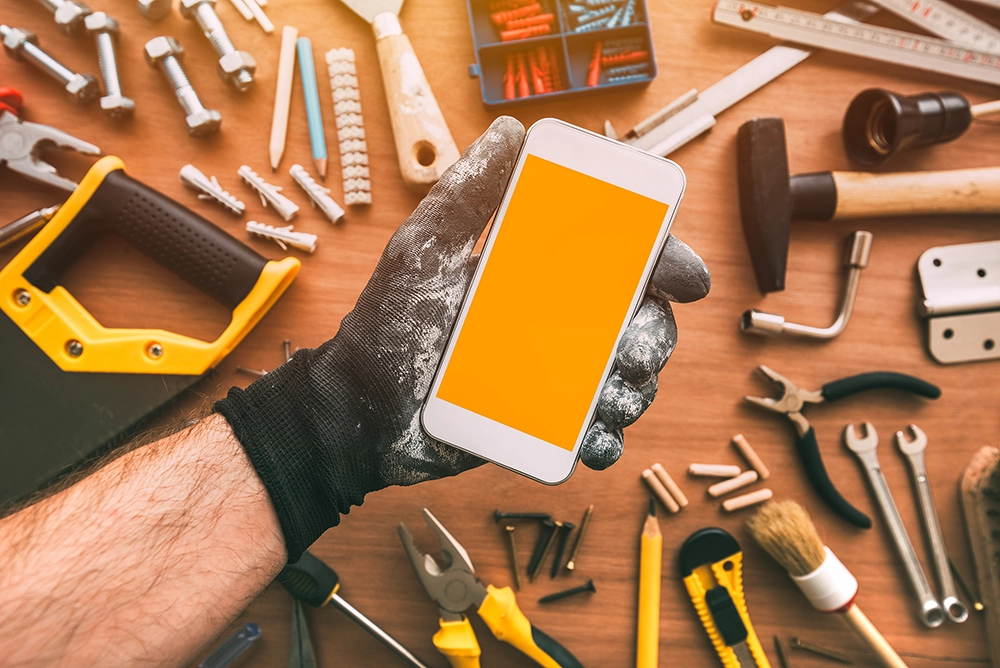
A maintenance request is a formal notice submitted by a tenant to report an issue that requires repair or attention. These requests allow property management to track, prioritize, and resolve issues efficiently.
Common maintenance requests include:
Plumbing issues
Electrical problems
Appliance malfunctions
Heating or cooling concerns
1. How Tenants Should Submit Maintenance Requests
Tenants should always submit maintenance requests through the designated system, such as:
An online tenant portal
Email or written request (if specified in the lease)
Clear requests should include:
A detailed description of the issue
When the problem started
Photos, if available
Submitting requests properly helps ensure timely service.
2. Emergency vs. Non-Emergency Maintenance
Not all maintenance issues are treated the same.
Emergency maintenance may include:
No heat in winter
Major water leaks
Electrical hazards
Gas odors
Non-emergency issues may include:
Minor plumbing leaks
Appliance repairs
Cosmetic concerns
Understanding the difference helps prioritize response times.
3. Response Times and Expectations
Response times vary based on:
Severity of the issue
Vendor availability
Access to the unit
Emergency issues are addressed as quickly as possible, while non-emergency requests are typically handled during normal business hours.
4. Providing Access for Repairs
Tenants are responsible for:
Allowing access for scheduled repairs
Securing pets during maintenance visits
Following lease notice requirements
Failure to provide access may result in delays or missed appointment fees, as outlined in the lease.
5. Owner Responsibilities
Property owners are generally responsible for:
Maintaining habitable conditions
Repairing major systems and appliances
Addressing issues promptly once notified
Timely maintenance protects property value and reduces long-term costs.
6. Preventive Maintenance Matters
Preventive maintenance helps:
Reduce emergency repairs
Extend the life of major systems
Control operating costs
Routine inspections and servicing benefit both owners and tenants.
7. Documentation and Communication
Proper documentation ensures accountability.
Property management typically:
Tracks maintenance history
Communicates updates to tenants
Confirms completion
Clear communication reduces misunderstandings and disputes.
Why Professional Maintenance Management Makes a Difference
Effective maintenance requires coordination, vendor relationships, and consistent follow-up. Professional property management helps ensure repairs are handled efficiently, compliantly, and with minimal disruption.
How Ivy Property Management Handles Maintenance
At Ivy Property Management, we use structured maintenance systems, trusted vendors, and clear communication to resolve issues efficiently while protecting the property and supporting tenant comfort.
Have a Maintenance Question?
If you rent or own a property managed by Ivy Property Management and have questions about maintenance requests or responsibilities, our team is here to help.
Contact us through your portal or reach out to our office for assistance.